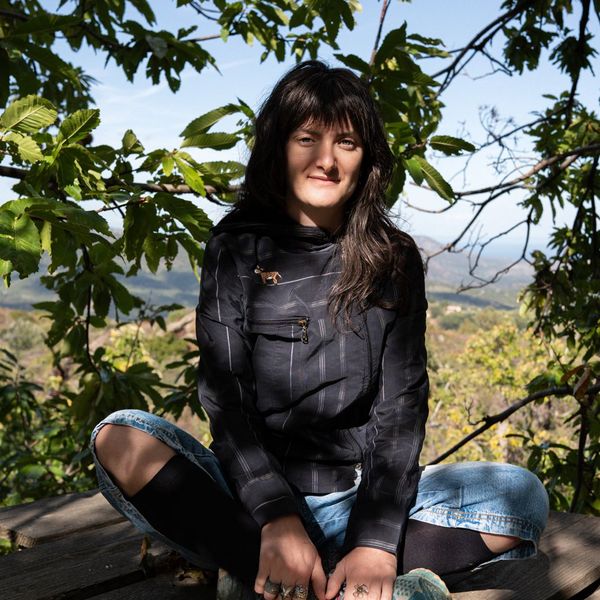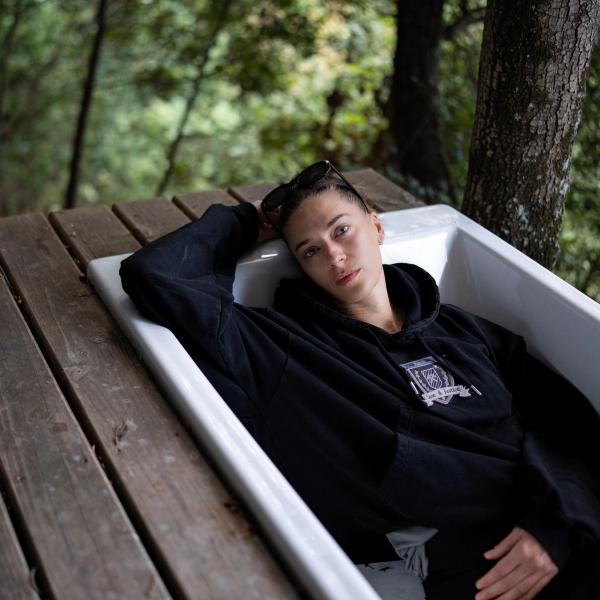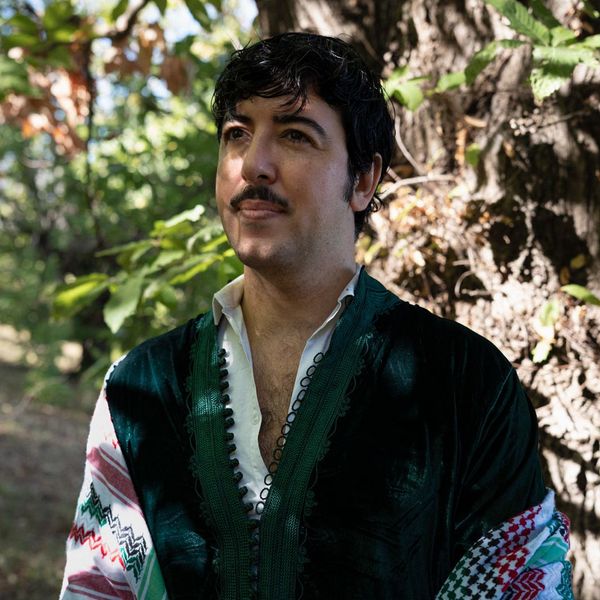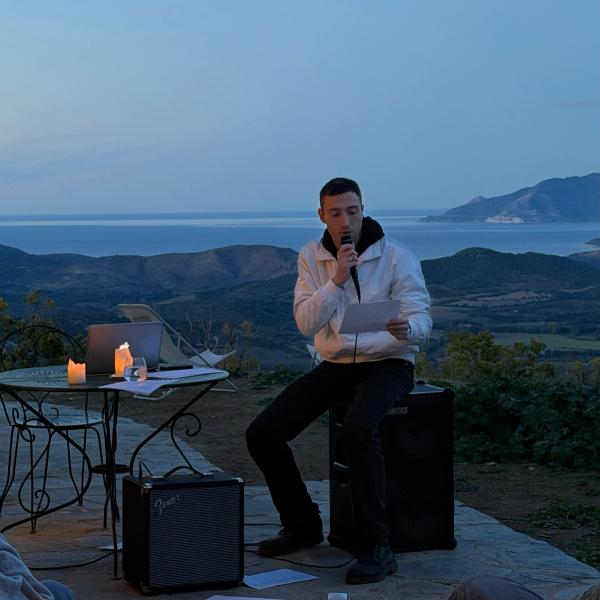
Providenza and the Villa Médicis – Académie de France à Rome inaugurate a cycle of cross-residencies across disciplines, taking citrus fruits as a pretext, a metaphor for hybridization and the living world.
Born of countless crossings, citrus fruits trace routes of circulation where humans, non-humans, plants and forms of knowledge meet: a dense network of exchanges and interdependencies that makes hybridity a raw material for imagining living, shared forms. How do we inhabit a world where almost everything alive is made of encounters? From one edition to the next, artists, thinkers and researchers will renew the approach.
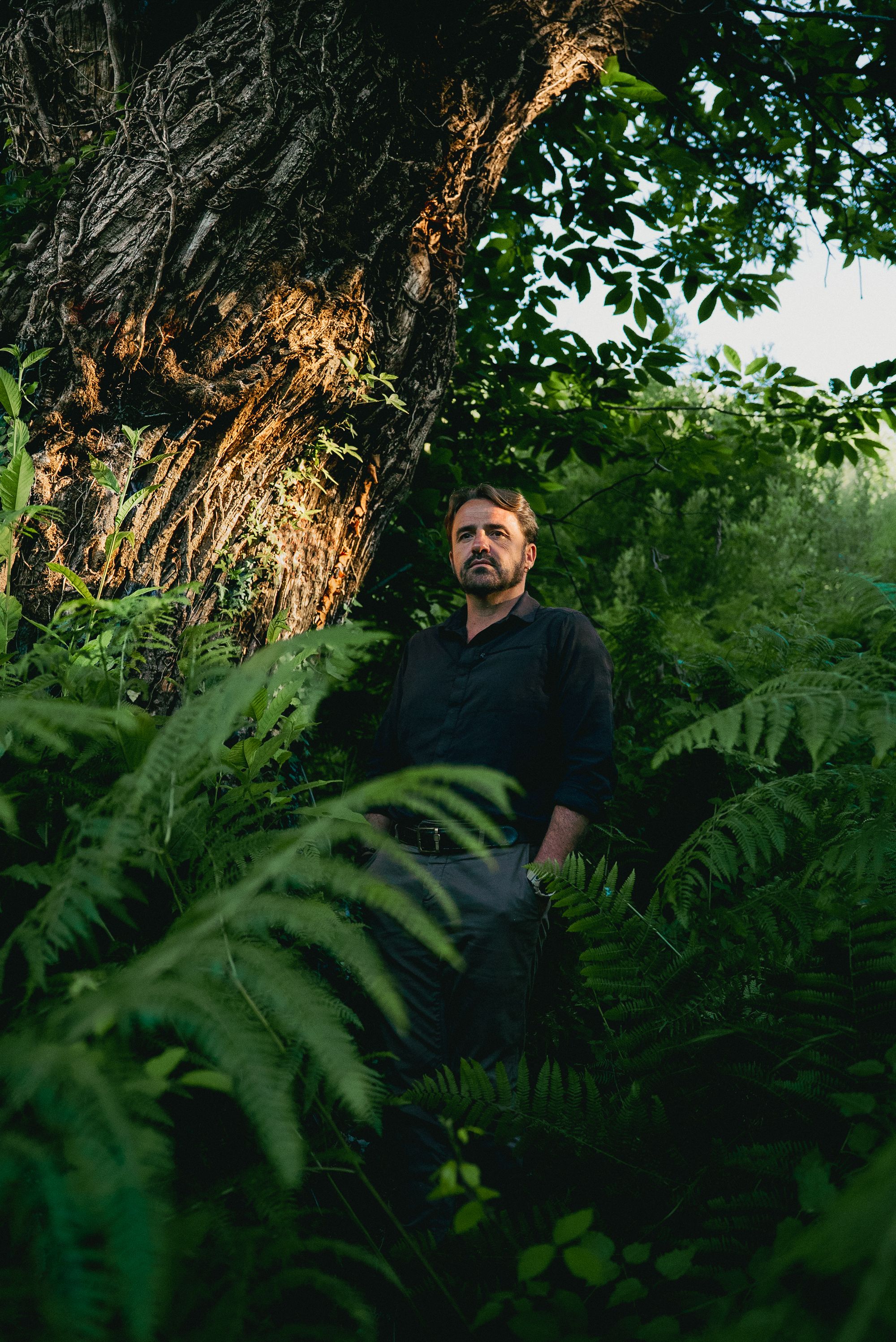
The philosopher and tracker Baptiste Morizot sets the starting point with *Le temps profond des citrons* (The Deep Time of Lemons), written between the lemon grove of the Villa Médicis and the Nebbiu, in dialogue with the INRAE–Cirad citrus conservatory at San Giuliano.
The Deep Time of Lemons
What do we see when we look at a citrus fruit, and who decides what we see in it? The usual answer is a human story: trade routes, princely orangeries, patient graftings, the names of varieties. That story is true, but it is short, and it is secondary. It spans a few thousand years, whereas the one that made the fruit counts millions; it pruned, grafted and carried within a cathedral it did not build. For everything that makes a citrus fruit strange (the rind as a reservoir of explosive perfumes, the flesh that is sour before it is sweet, the sphere that fits exactly in one hand, the ripeness announced by a color) was decided by no human being. Yet this does not mean that no one decided. Millions did. Yellow is a decision made by vanished non-human eyes that set it apart from green; the fragrance, a decision made by nameless ancestral noses in the night; the sugar and the acid, a compromise arbitrated between immemorial appetites and microorganisms. These decisions were not made by thinking, but by eating, by refusing, by carrying things further; and a preference repeated over millions of years makes up the concrete body of an unheard-of form of life. They were not written down; they were incorporated. The human history of citrus therefore does not begin at the beginning: it seizes invitations it did not send, it inherits possibilities opened long before it by a chorus in which no voice was human.
At the Villa Médicis, where I am writing the first draft of this text, citrus is not a botanical abstraction: it is a body set in the air of Rome. In the triangular lemon garden, Tuscan pots line up their twisted trunks. One walks past the bitter orange trees, those bitter oranges, so Renaissance, made more for fragrance and marmalade than for the pleasures of the table. Here too, human stories are told. But citrus fruits are not "objects" that the domesticator would have shaped for human delight. A lemon, an orange, a mandarin: these are condensed ecosystems. Crystals of interdependence cultivated by deep time. And if we want to understand their history, we must stop asking, "which domesticator invented the fruit?" and pose the only serious question: how many living beings, over how many millions of years, does it take to shape the round cathedral that is a citrus fruit?
Everything begins far from our orchards, in the forests of subtropical Asia, over millions of years. There, an ancestor of citrus attempts a risky strategy: wrapping a seed in flesh, and thus in a promise. Offering a piece of oneself to other living beings, not out of kindness, but as a technique for transcending death: "eat me, carry me, take me further than my own shadow." The fruit is a contract of circulation. A pact of mobility.
But this pact holds on one condition: that there be enough other living beings to make it worthwhile. It takes mouths, eyes, noses. It takes trajectories and appetites. It takes animals that see yellow in the green jungle, that pick out the sphere among the leaves, that smell the aroma from afar, that carry off, that let fall, that defecate farther on. It takes fruit-eaters by day and by night, handlers and swallowers, long-distance travelers and consumers close to home. And these behaviors must persist long enough, in enough places, to sculpt a stable signal. Color and shape are not decorations: they are answers to other ways of inhabiting a place.
But a citrus fruit is not merely an offering. It is also a fortress. Its genius lies in holding attraction and refusal together. Thick rind, explosive scents, bitterness, acidity: all of this is a grammar of access. Not now. Not just anyone. Not at just any price. Acidity, for example, is not simply a taste: it is a temporal device. It bars consumption "too early," it protects the slow construction of the seed; it also limits the invasion of microbes and insects that would like to colonize the pulp before its time. The fruit is not a sugary thing: it is a negotiation between threats and allies. Between enemies from within (fungi, larvae) and partners from without (the dispersers).
So, "who" shaped the citrus fruit? No one, if by that we mean a single author. Everyone, if we mean the cumulative activity of a living world at work. The citrus is a choral work. A piece written by a multitude of actors with no conductor: trees and their pollinators, insects and chemical defenses, microbes and protective acidities, fruit-eating animals, the soils and climates that allow for slow ripening. And even, later on, humans and their selections, who softened, hybridized, multiplied — but always within an architecture already built by the long history of the living.
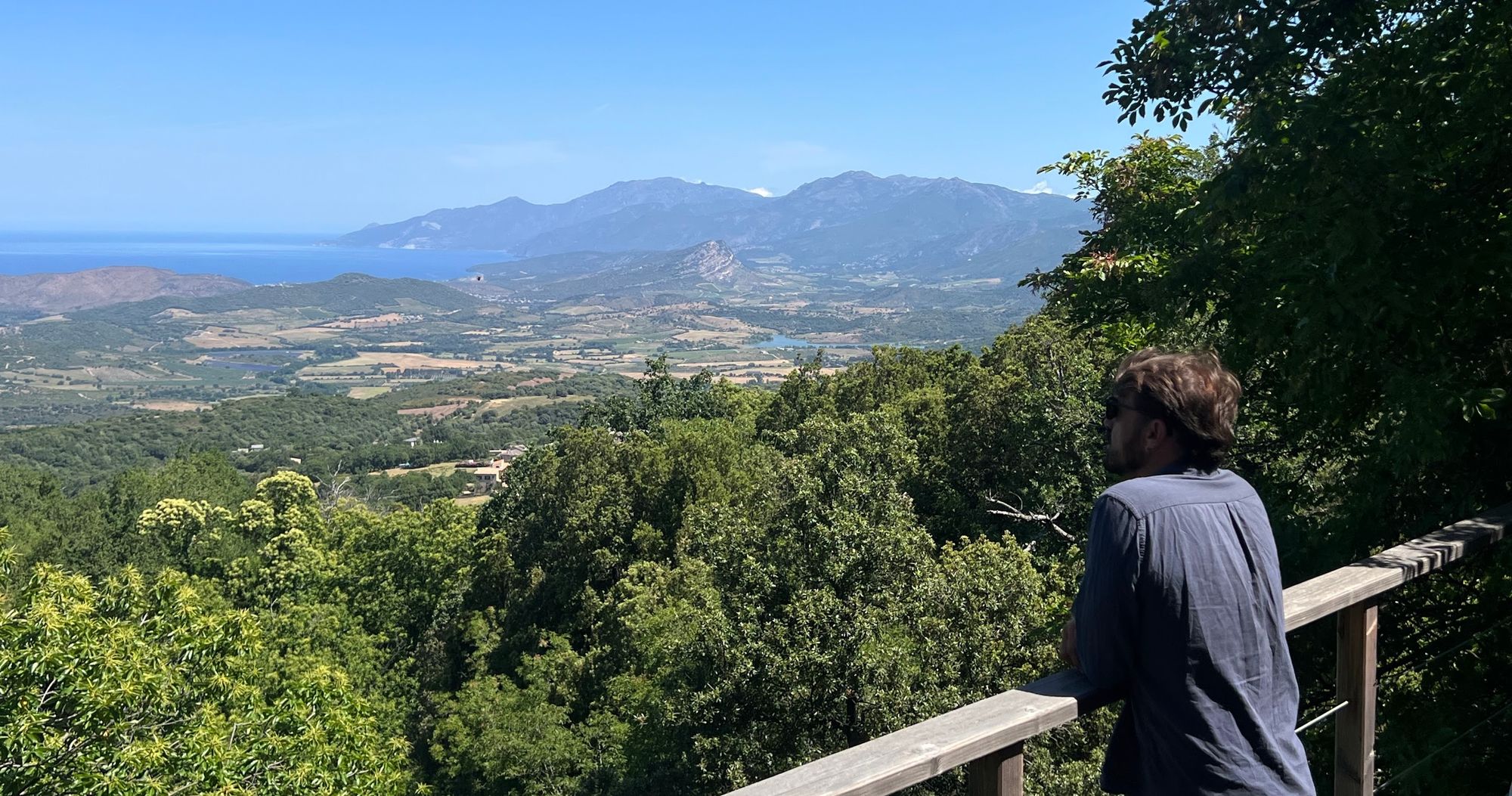
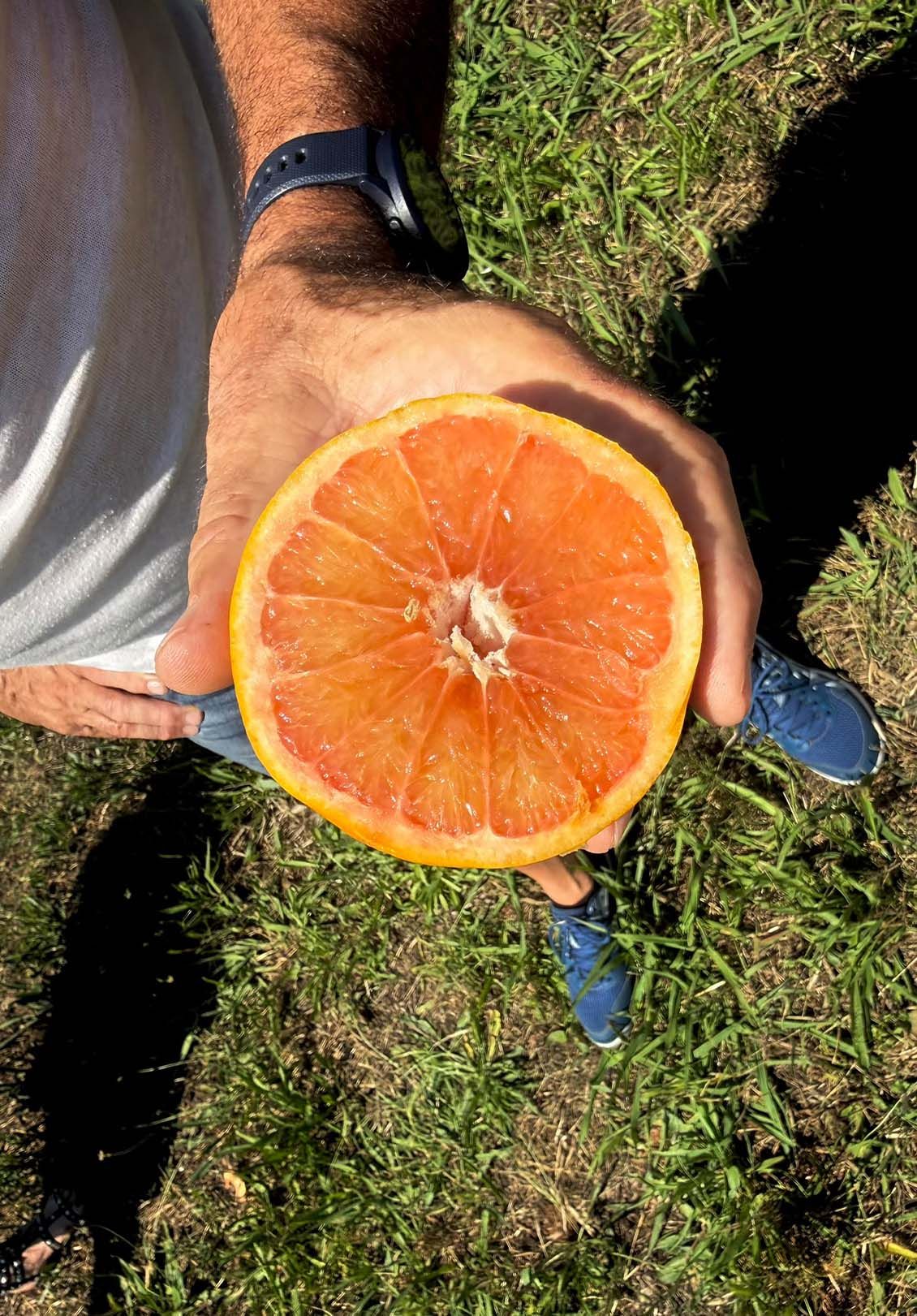
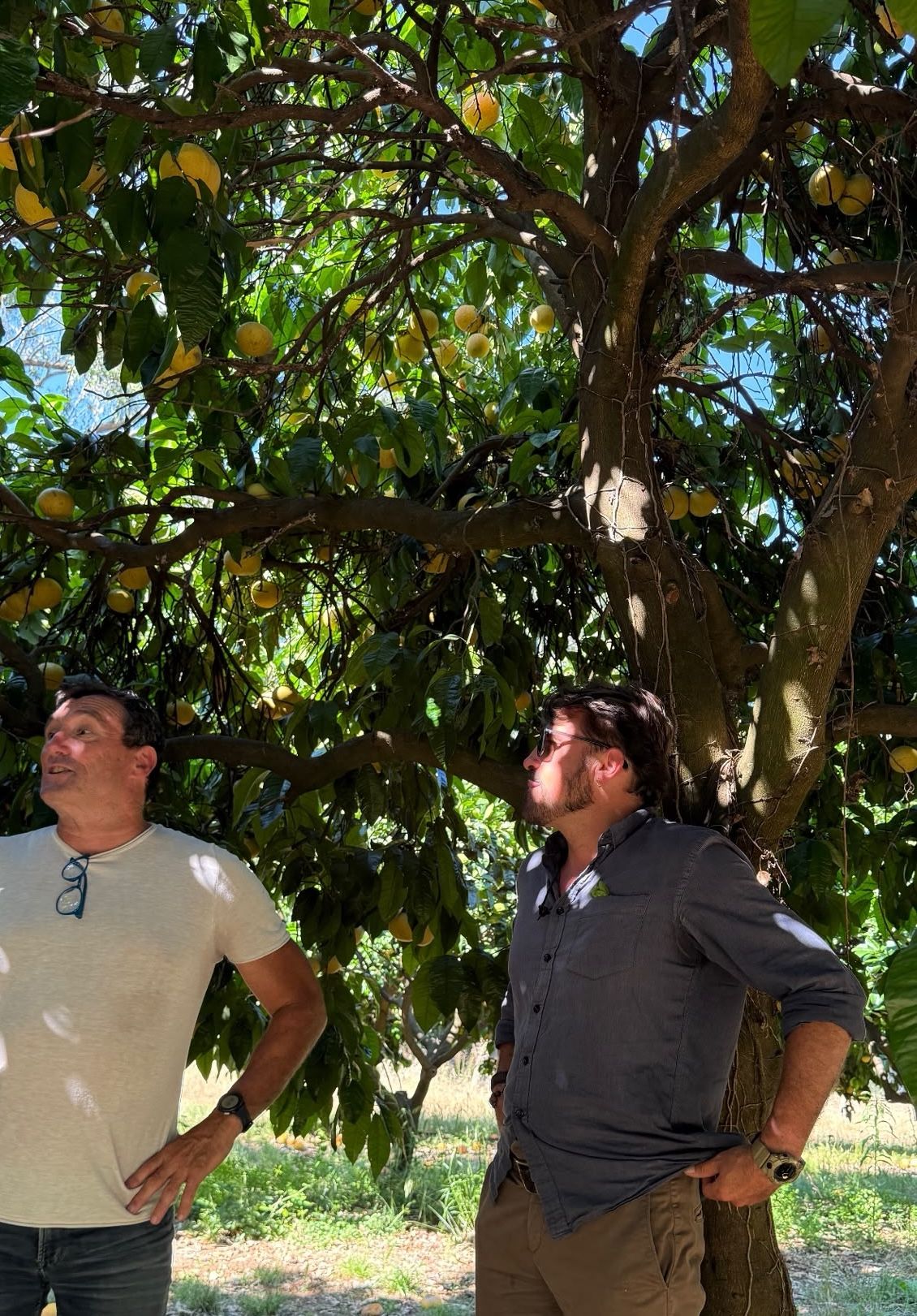
Genetics confirms it in its own way. On the eastern coast of Corsica, at San Giuliano, INRAE and Cirad have maintained since the 1960s one of the largest citrus collections in the world: more than a thousand varieties in open field, over thirteen hectares. This orchard tells a counter-intuitive story: nearly all the citrus fruits we eat are not species, but encounters. Four ancestral lineages — citrons, pomelos, mandarins, papedas — crossed and crossed again to give the orange, the mandarin, the grapefruit, the lime. The lemon itself, whose origin the researchers of San Giuliano established in 2016, was born of a cross between a citron and a bitter orange. In other words: the bitter orange trees in the garden of the Villa Medici, said to serve only for perfume and marmalade, are ancestors of the lemon. They do not adorn the garden: they are still at work in it.
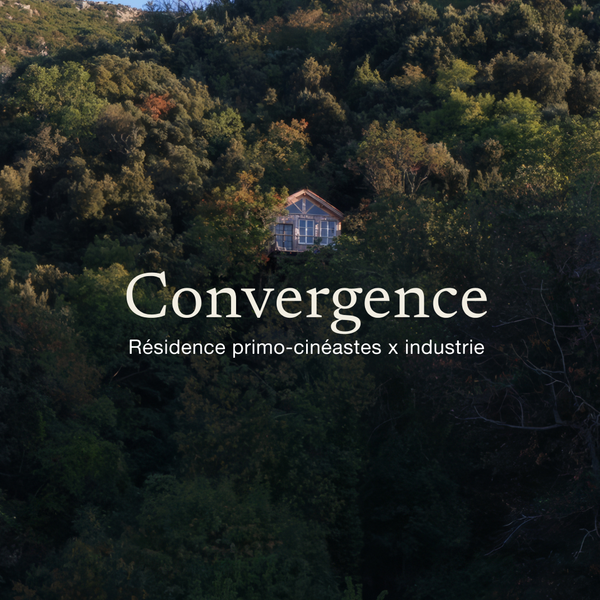
At Providenza, between Pieve and Rapale, in the Nebbiu, I spent a residency in a place that does not separate the vegetable garden from the studio. Its motto is Corsican: *Cu l'orti e cu l'arti, cultivemu a nostra libertà* — through gardens and through the arts, we cultivate our freedom. There, one eats what grows a hundred metres away, and one makes films, music, ideas, fruit. That sentence says exactly what a citrus fruit says: freedom is not an attribute one possesses alone, it is an effect of environment. It is cultivated; it depends on what has been made habitable around oneself — and by whom.
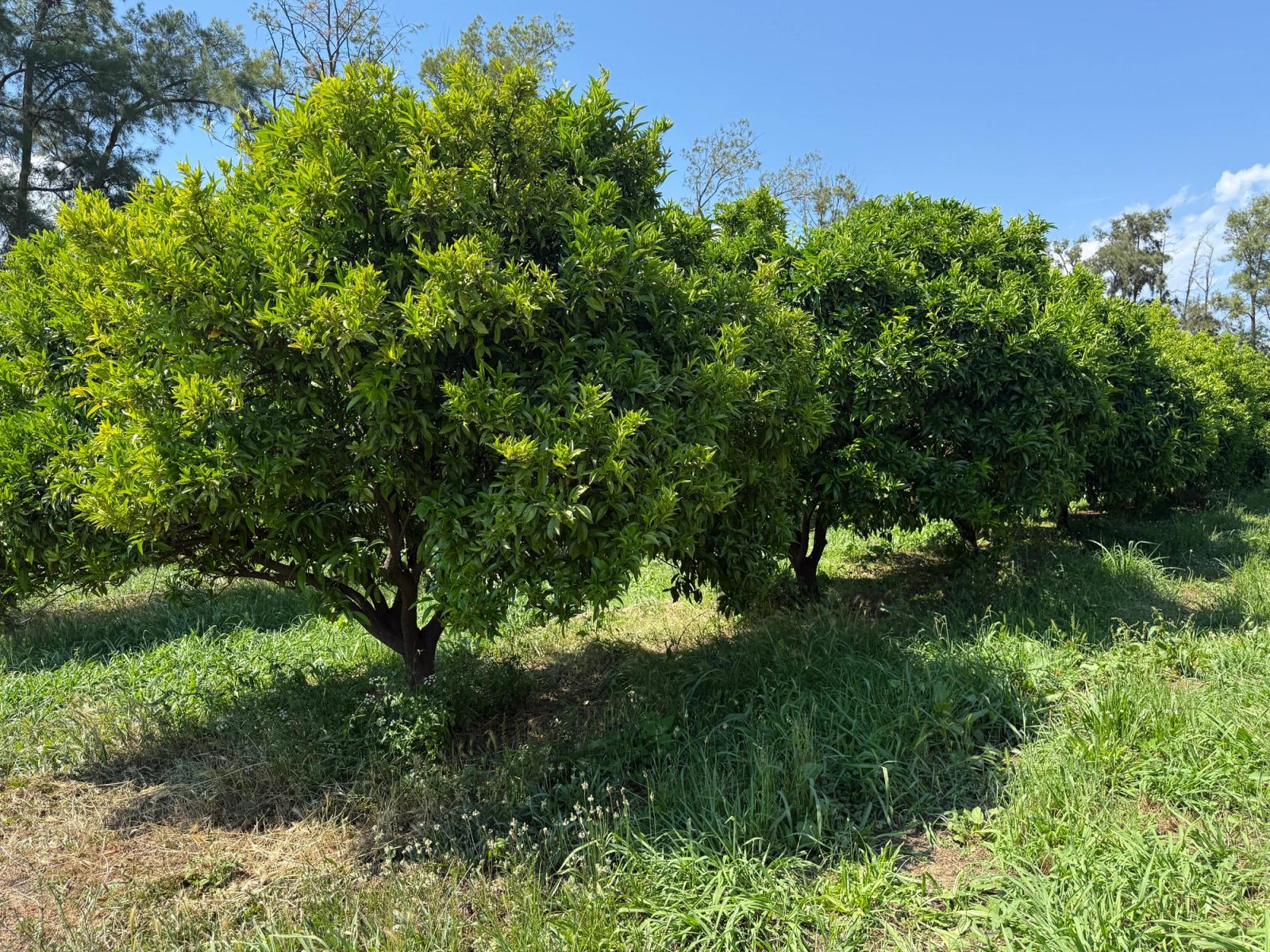
We must then look at today's orchards without complacency. The eastern Corsican plain, a few kilometres from the collection, is a landscape of clementine trees in rows: a variety born of a cross, multiplied by grafting, and thus almost identical from one tree to the next. Monoculture is the exact inverse of the process that made the fruit: it takes the outcome of a long history of interdependencies and reproduces it in a world where those interdependencies no longer do their work. Paradise has a price, says the exhibition. The price is perhaps this one: consuming a product of habitability under conditions that no longer produce it.
Here the question of habitability becomes concrete, almost embarrassing: a fruit that feeds us is not merely a resource, it is a proof. Proof that it took a fabric of relations, a thickness of living diversity in action, to produce this edible form. The lemon is not a separate object for a still life: it is a piece of the world made edible by the world. A parcel of habitability made material.
Habitability for life is the immemorial, everyday product of the interdependent activity of life's diversity. It is also the definition of an orange.
We often assume that to inhabit is to occupy a setting. The citrus shows the opposite: to inhabit is to fabricate the conditions of habitation. And this fabrication is not the work of a lone living being but of a web of interdependencies that, over millions of years, invent foods the way one invents passages. An orange is a door: it opens, in the human mouth, a long corridor of ancient relations. And what we smell, touch, eat, at bottom, is not a fruit. It is the power of living diversity to make the world habitable.
In deep time, the making of the orange did not work alone: it hired a menagerie. We must imagine it without being able to name it. Primates of long ago — nameless cousins of our macaques and gibbons — who, eyes keen, spotted the yellow circle in the green thickness, seized it, felt it, broke into it, approved it. Nocturnal mammals, silhouettes of ancient civets, sovereign of nose, for whom the world is read first in scents: the aromatic rind as signal, as trail. Fruit-eating bats — or their ancestors — who crossed the night carrying the promise farther than the tree, bearing the seed out of the parent's shade. And great fruit-eating birds, deep-time equivalents of hornbills, machines of distance, able to link islets of forest, to open corridors of dissemination. This vanished troupe did not merely "consume": through its preferences, its refusals, its journeys, it co-wrote the very color, form and fragrance of the fruit.
So the question becomes ethical, almost liturgical: to whom do we owe the orange? To how many lives, to how many gestures of desire repeated over millions of years, so that this sphere fits in the hand and bursts into segments? When we eat an orange, we are not feeding only on a sugar and an acidity: we come into contact with the ghost of a diversity of lives at work. We taste trajectories, visions, noses, nights, flights. And perhaps the right posture is not only pleasure, nor even curiosity, but a precise gratitude: to thank — without romanticism, without naïveté — the forms of life that made this thing possible. Because without them, the orange would not exist; and because, in eating it, we interact with that absent chorus which, long before us, made the world a little more habitable.
We must then reverse the usual order of questions. We ordinarily ask what nature provides for us; the serious question is what, within the living world, fabricates. What we destroy is therefore not a stock of resources but a power of fabrication: each disappearance removes a decision-maker from the table where the forms of the world are negotiated, and no technique exists to redo in a century what a multitude took millions of years to negotiate. A lemon does not illustrate this idea; it is its material proof — and it fits in the hand.
Written in Rome and Pieve, spring 2026
Baptiste Morizot
On 15 June, a roundtable held at the Arte Libri bookshop in L'Île-Rousse brought Baptiste Morizot together to discuss the questions raised by the cycle.
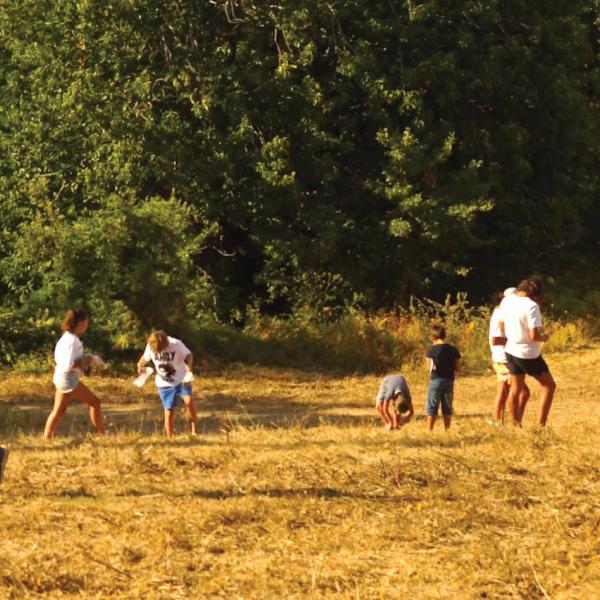
He also made use of his time at Providenza to organize several participatory workshops, building in the bed of the property's stream a structure inspired by beaver dams. This type of structure slows the flow of water and keeps the soil moist, which benefits the site's biodiversity. The project extends *Rendre l'eau à la terre* (Actes Sud, 2024), written with the artist Suzanne Husky. The beaver, "a hydrologist with eight million years of experience" according to the two authors, is envisioned there as an ally in regenerating rivers and wetlands.
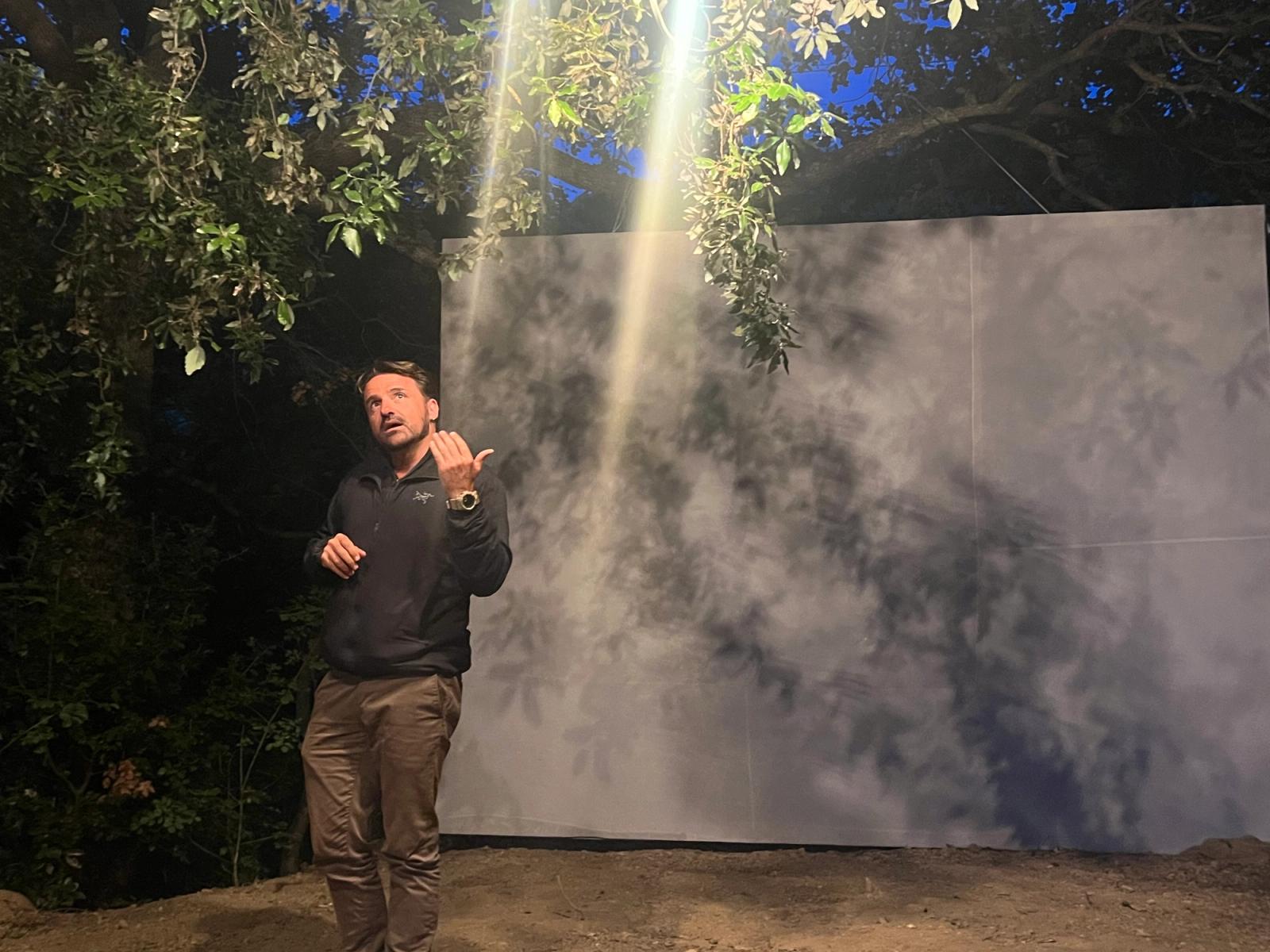
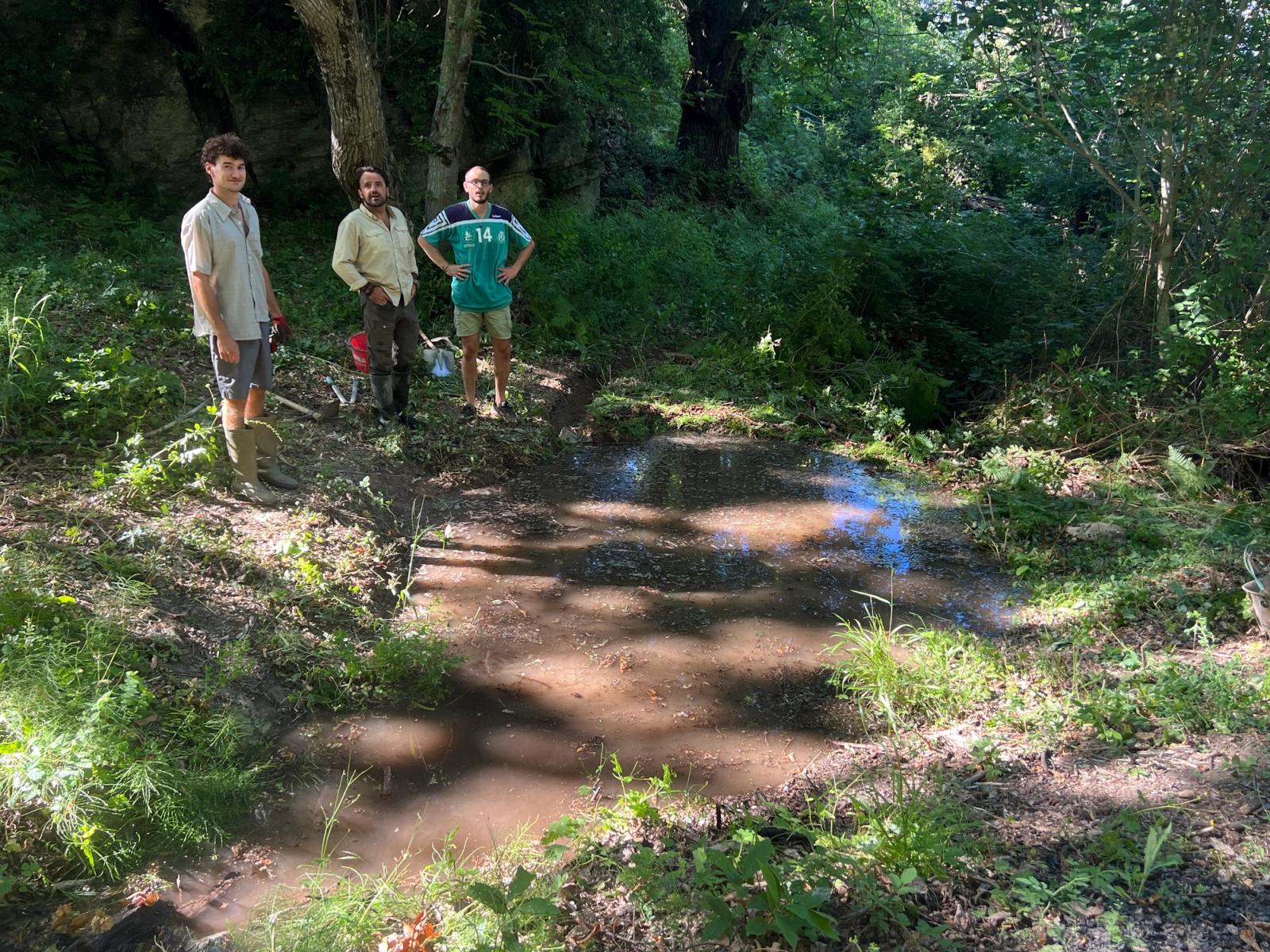
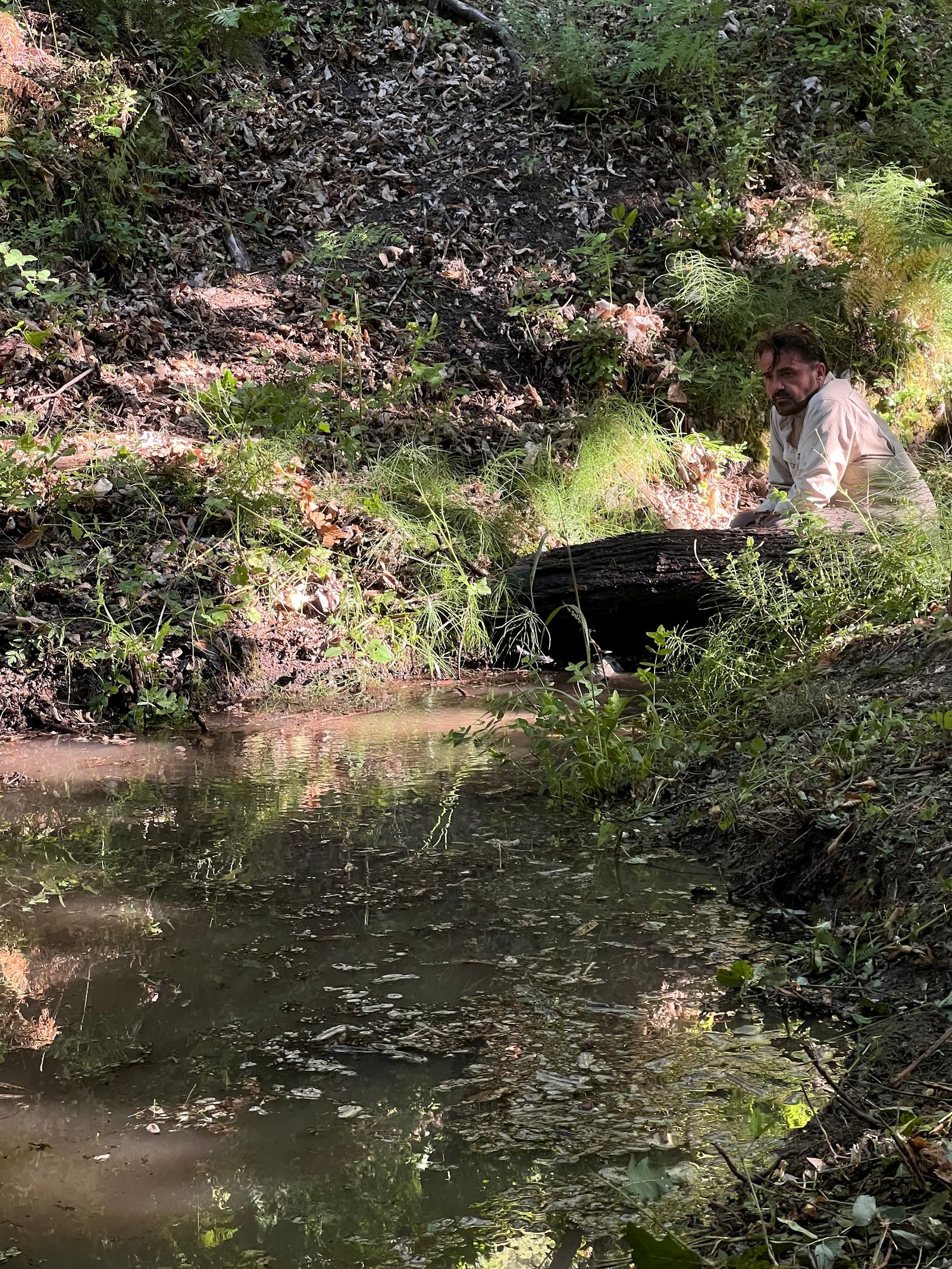
Finally, the landscape of Providenza has inspired Baptiste Morizot to write a new book devoted to the milieus of the living. In it, he deepens the idea of terrestrial life as an outgrowth of marine life. Born in the ocean, life emerged from it, along with plants, fungi and animals, only some 450 million years ago, and it continues to depend on it through the water cycle. From Providenza, where the sea remains on the horizon, every terrestrial environment can thus be read as an extension of the ocean, from which it receives the water that makes it habitable. This question joins the "Hypersea" hypothesis formulated by the paleontologists Mark and Dianna McMenamin, for whom terrestrial life, in a sense, carried the sea with it. The video below presents its first avenues of exploration.