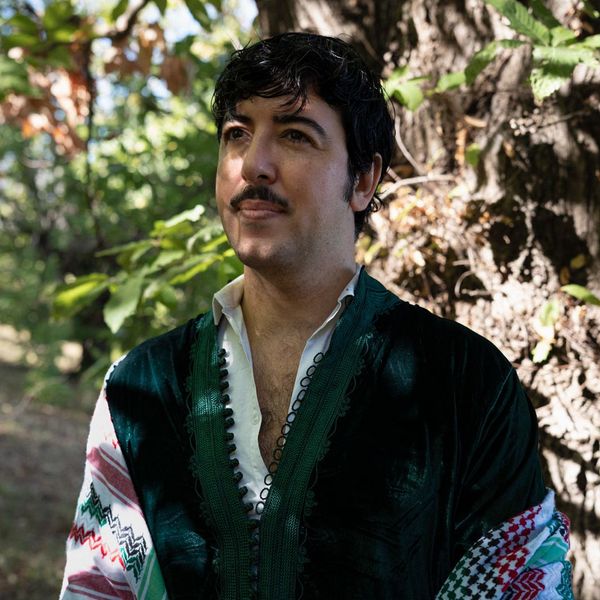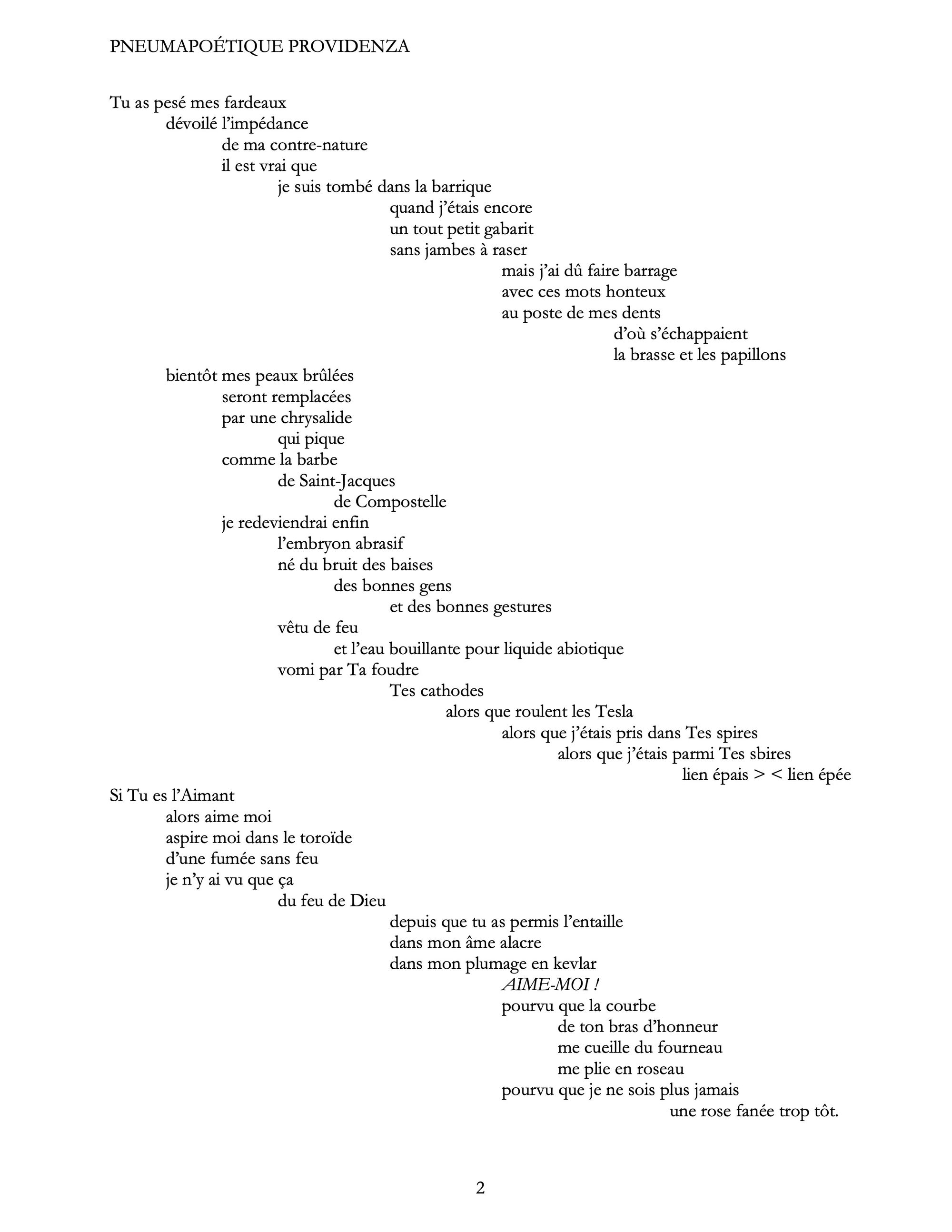
Jamal Ouazzani
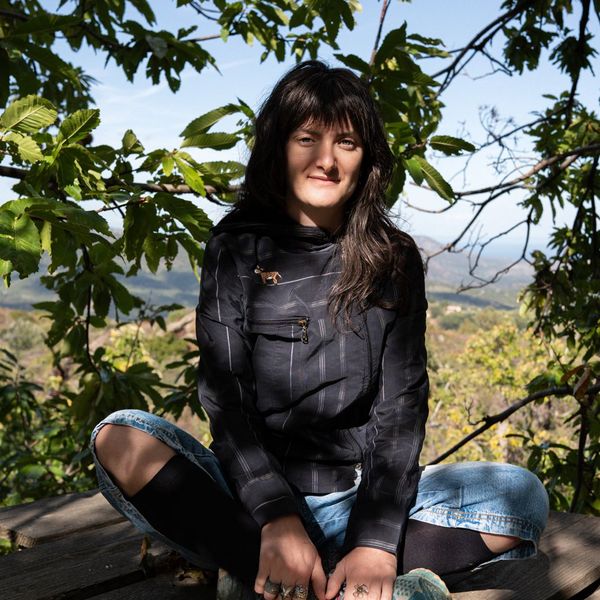
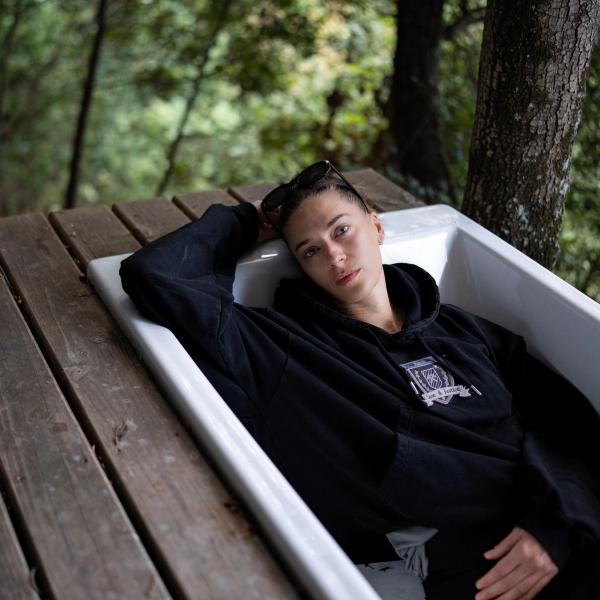
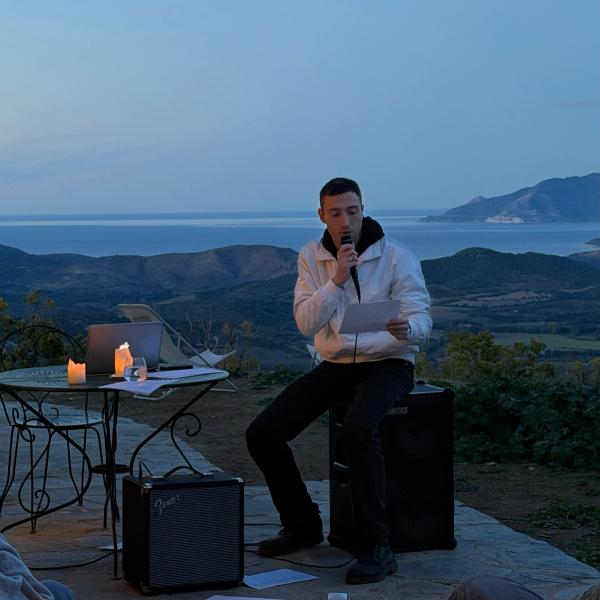
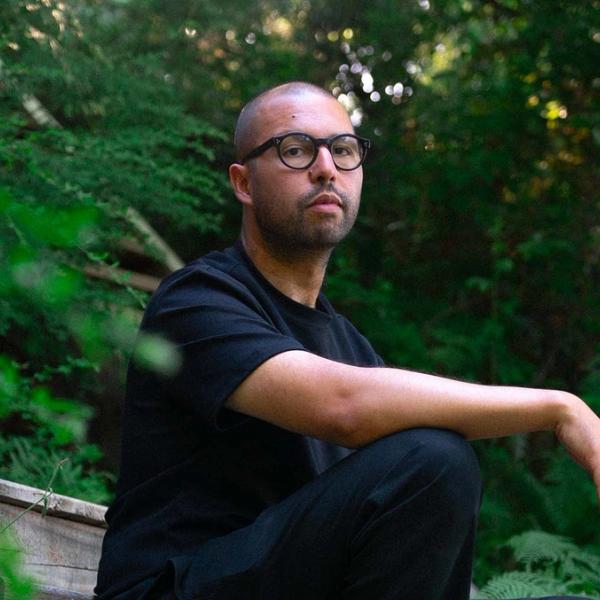
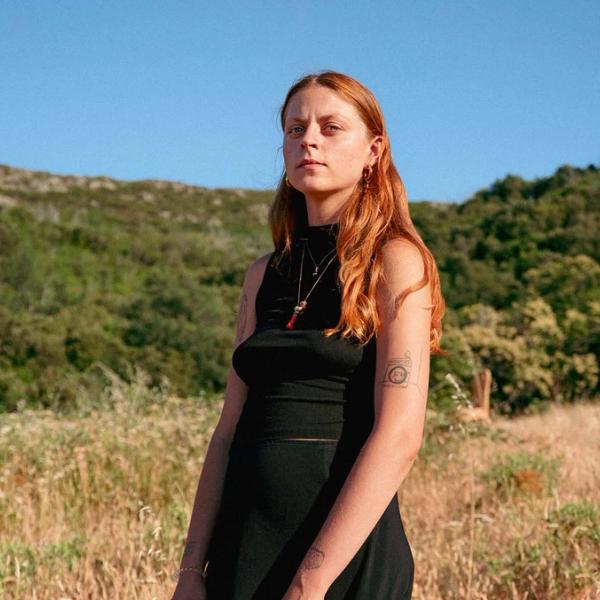
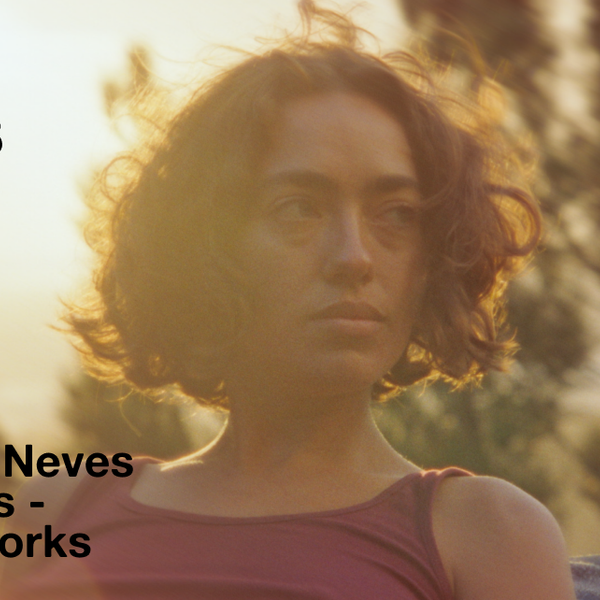
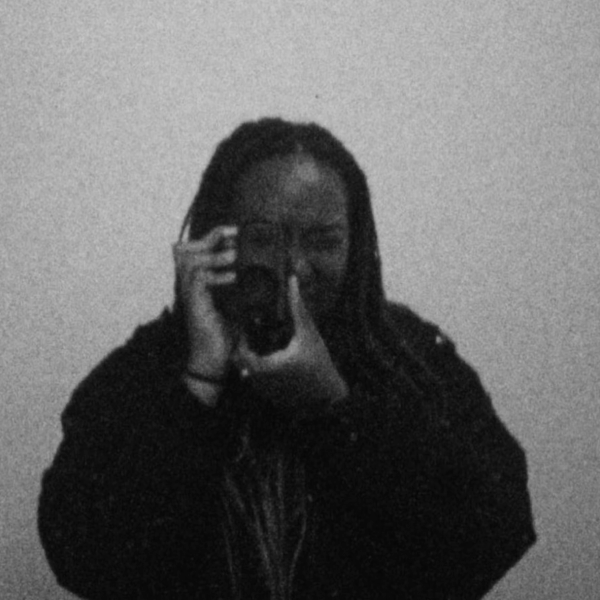
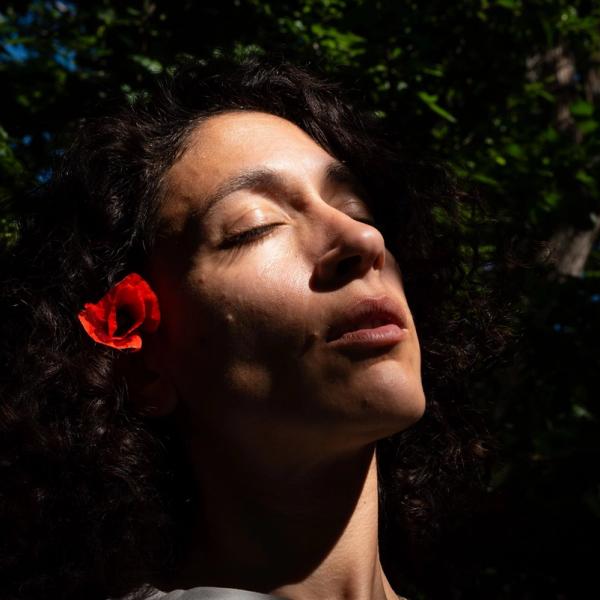
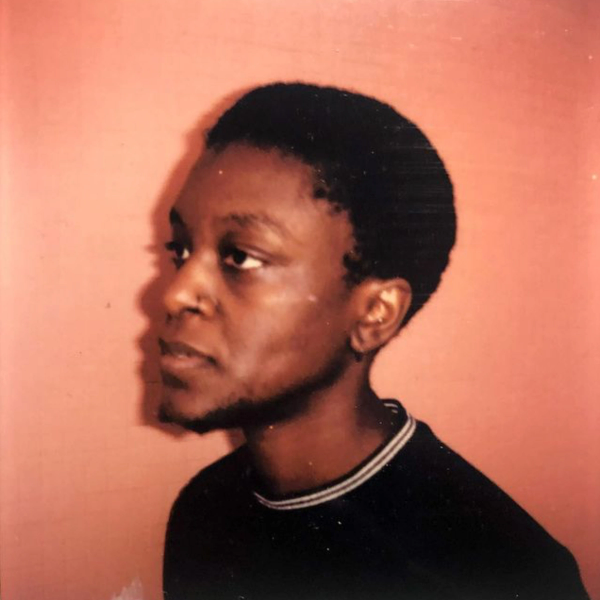
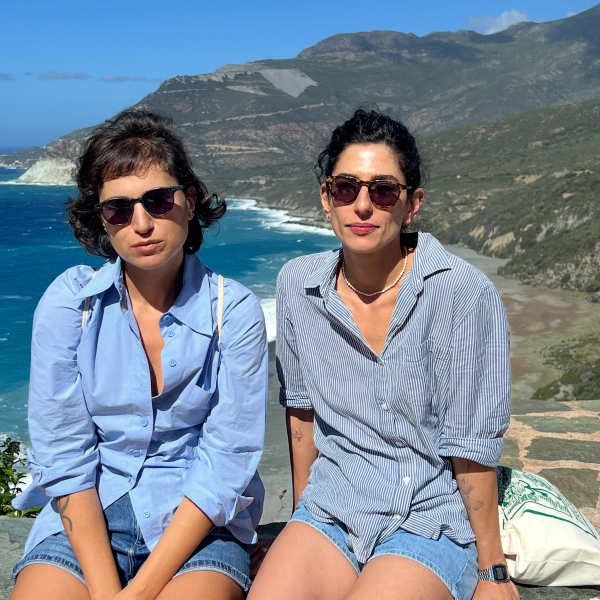
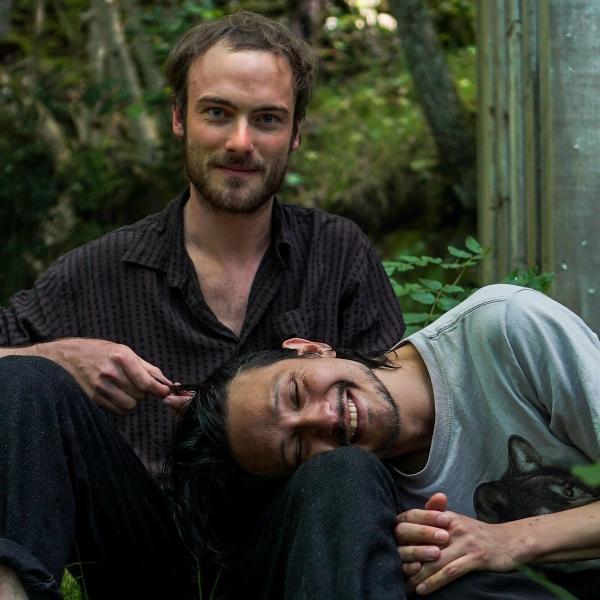
In his writing, Jamal Ouazzani develops a radical and original line of thought on eminently political contemporary subjects. Following "Amour", his widely acclaimed first essay on the revolutionary force of love instilled by Arab and/or Muslim culture, published in 2024 by LeDuc, he has this year published a collection of poems, "Feux de Joie" (Blast), as well as "Féminités Musulmanes", his first essay. He is the creator of the widely followed podcast "JINS", which explores gender, sexuality and love among Arab and/or Muslim people. At Providenza, he will deepen these themes through a writing project and poetic performances that blend autofiction with archival work.
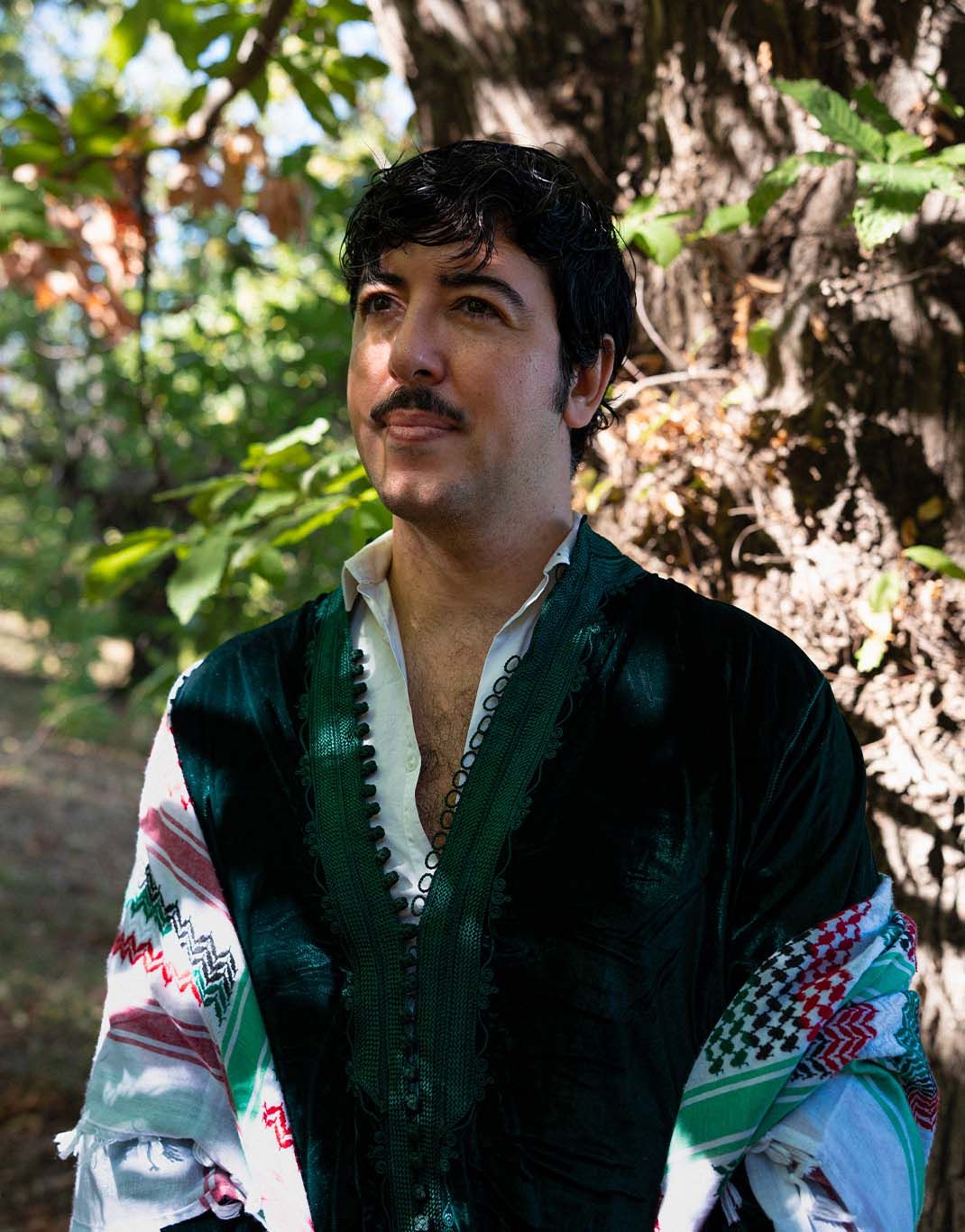
Pneumatic - A Forest Beneath the Sternum
There are days when I no longer know whether I am breathing or merely delaying asphyxia. With the world in such a state of decay, poetry has become a vital function for me. This is why I regard my work as an extracorporeal breath: it gathers what my body can no longer hold on its own, lays it before other people, then invites their own breaths to carry the movement on. At Providenza, this intuition, which I have named "pneumapoetics," met the materials, landscapes and imaginaries of Corsica.
Nourished by my Arab, Amazigh and Muslim heritages, my research links the body to mysticism, orality to spirituality, breath to emancipation. My exchanges with the art historian Madeleine Filippi opened up correspondences between the *ochju* in Corsican and the *ʿayn* in Arabic (the evil eye), gestures of protection, Sufi brotherhoods, the *lamenti*, and the indigenous poetic traditions of Morocco. These questions fed into a poetic-graphic composition, Mauvais Œil. My research on the Moor's head also questioned the relationships between emblems, Mediterranean memories and belonging: how can one defend the freedom of one people without organizing the exclusion of another?
Delving into the dark memories of the colonial incursions of Corsican colonels in North Africa (brought to light in the Corsica-Maghreb exhibition at the Museu di Bastia during my stay), I was able to draw out the idea that the Corsican people, after their terrible history of enslavement and repeated invasions, may have benefited from an "honorary whiteness" (not quite Franco-French, but still racially more acceptable than North Africans).
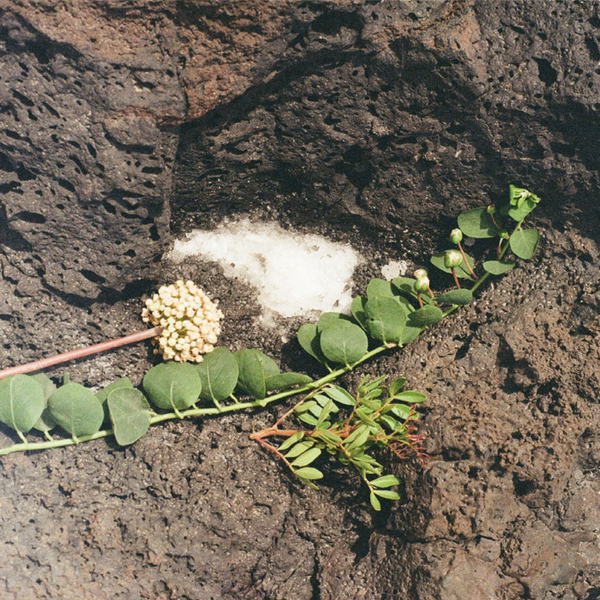
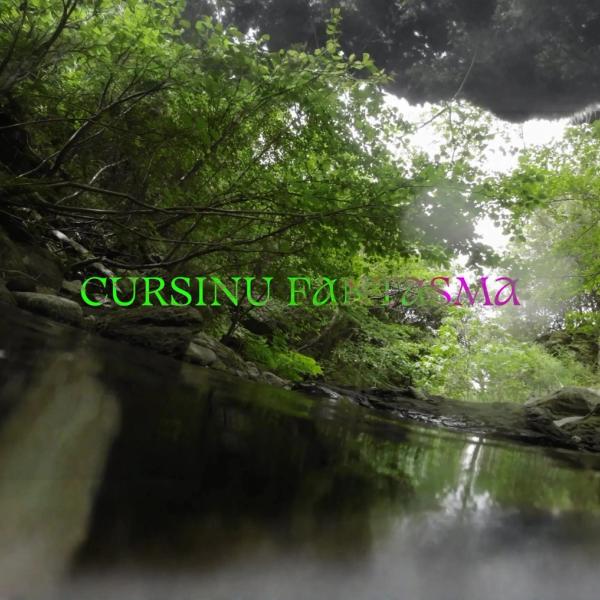
Working from static shots filmed in the heart of the maquis, I have also begun a film-poem, Lignine, in which my voice accompanies the appearance of my handwriting: the words would follow the tilt of a branch, the curve of a leaf, the relief of a mountain. As if the maquis were beginning to write its poetry in my place.
Moreover, alongside six other hybrid poems written during the residency, L'Aimant is an open letter of oblative and questioning love to Allah, in which I continued my sonic explorations: sound as physical matter, shamanic meditation, a vibration able to pass through the body like a prayer.
Providenza gave me the time for research that creation requires: to hesitate, to experiment, to begin again. I leave with the desire to protect our inheritances without turning them into fortresses, and to make of each tradition the first breath of an encounter.